Target Consumer Behavior Project
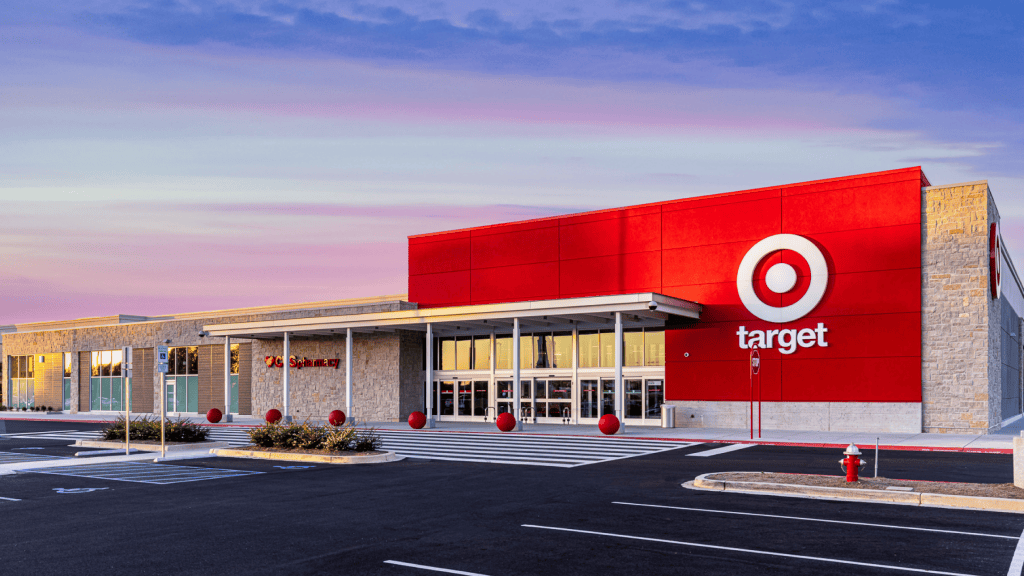
For my final project I have decided to focus on Target and specifically look at its grocery category.
I decided on Target as it’s one of those companies I know as a consumer and it sells a range of products beyond what people might expect from a typical department store. As well as clothing, electronics, household products and other merchandise they now have a substantial grocery business selling fresh food, beverages, snacks, frozen food and their own brand of food (e.g. Good & Gather, Favorite Day and Market Pantry).
I wanted to focus on grocery as it gives me a chance to look at consumer behavior. Unlike many other discretionary purchases groceries are something consumers will regularly buy. But they still face lots of decisions about where they shop, which brands they buy, how much they want to spend and whether they shop online or in store. Factors such as price, convenience, perceived quality of product, brand loyalty, promotions and availability will all play a role in this.
To me grocery is also a key category for Target. Looking at its annual report for 2025 food & beverage made up 24% of merchandise sales. As well as selling national brands they also sell their own brands meaning consumers could consider alternatives to the national brands. This makes it a good category in which to consider how price, perceived quality of product and brand awareness will affect consumer decision making.
As part of my consumer behavior analysis I want to use Target Corporation’s 2025 annual report. This will give me information on their business strategy, performance, merchandise categories, digital shopping and place in the retail industry. Through this I should be able to see how key the grocery category is to their wider business.
My second source will be the U.S. shopper trends 2025 report from FMI (the food industry association). This looks specifically at attitudes and behaviors of shoppers in the grocery category. Within this we consider for example: budgeting, price, promotions, convenience and changing shopping habits. I think this could help me to consider what drives consumers in deciding where to buy their groceries and how under current economic conditions this might change (FMI—The Food Industry Association, 2025).
As part of my analysis I will also use research from Deloitte looking at the value seeking consumer. They consider how consumers themselves define value and how this is influenced by for example price, quality, promotions and use of private label products. This will be useful in relation to Target as when shopping in their grocery category consumers will be faced with the choice of national brands or their own. Using this research alongside information from target I hope I will be able to consider why some consumers might opt for cheaper private label products over national brands whereas others would always choose the national brand (Deloitte, 2025).
Taken together I think target’s grocery category could form a good basis for exploring consumer behavior. More than just buying essential products consumers will need to consider their budget, preferences, past experience, perceived quality and convenience. Using information from target and separate research from FMI and Deloitte I hope I will be able to consider what influences consumers when they buy groceries at target.
Resources:
Deloitte. (2025). The value-seeking consumer. Deloitte Insights. https://www.deloitte.com/us/en/insights/industry/retail-distribution/consumer-behavior-trends-state-of-the-consumer-tracker/understanding-value-seeking-consumer.html
FMI—The Food Industry Association. (2025). U.S. grocery shopper trends 2025: The logic of food shopping. https://www.fmi.org/our-research/research-reports/u-s-grocery-shopper-trends
Target Corporation. (2026). 2025 annual report. https://corporate.target.com/investors/annual/2025-annual-report

